Powder Flow and Dustiness
Provide representative powder, including normal changes in flow and dustiness, so the trial covers expected production conditions.
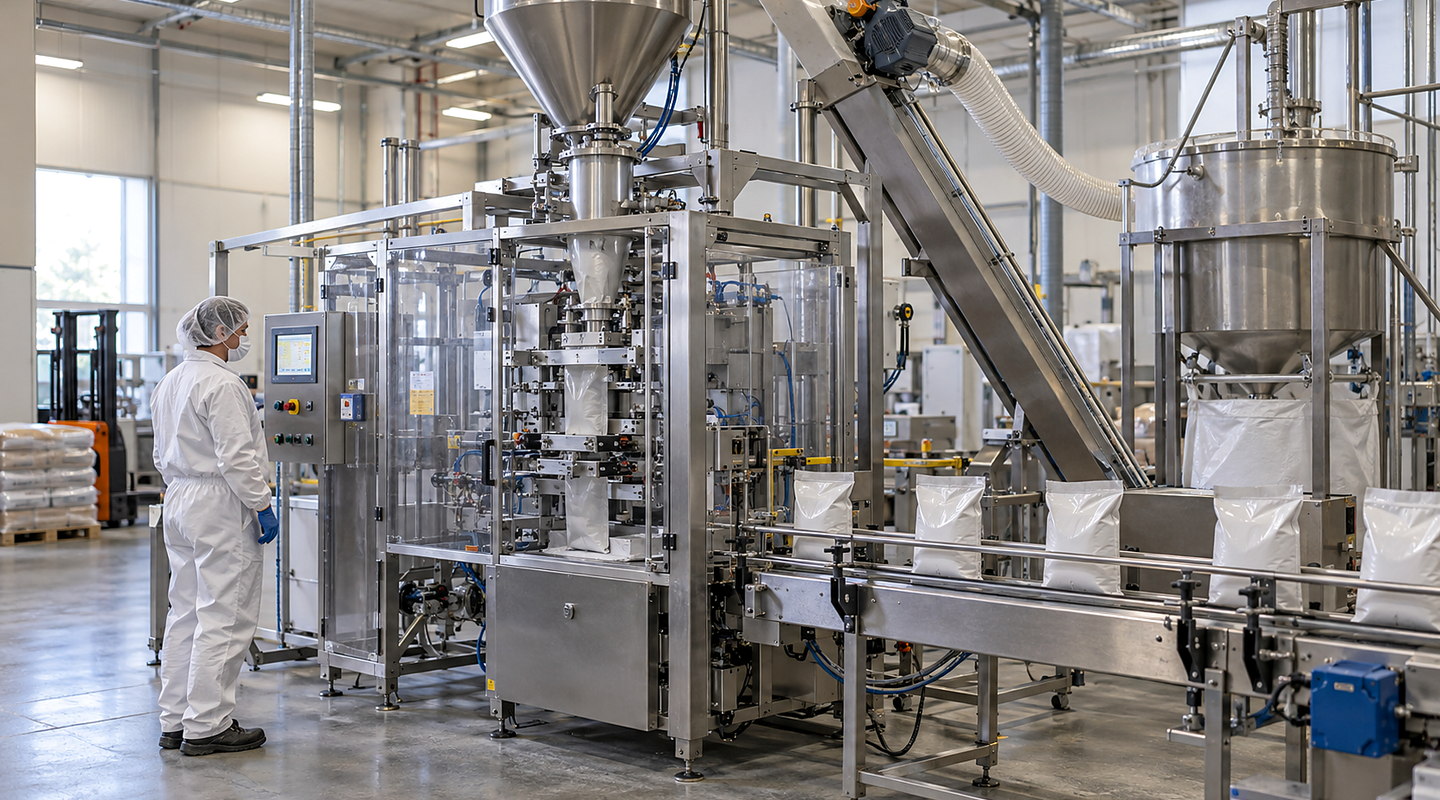
Plan powder filling into jars and tubs around powder flow and dustiness, jar and closure formats, and target quantity. Trial positioning, dosing and outlet withdrawal together, checking filled quantity and powder around the neck before closing.
Speak directly with Lancing about powder filling into jars and tubs.
Provide jars, closures and representative powder, including normal changes in flow or dustiness. Trial jar positioning, the dosing outlet and withdrawal sequence together. Check filled quantity and powder around the neck before closing, and agree how replenishment, cleaning and rejected jars will be handled.


For routine production using powder filling into jars and tubs, share the normal condition, realistic range and difficult cases the finished system must handle.
Provide representative powder, including normal changes in flow and dustiness, so the trial covers expected production conditions.
Supply jars and closures for each format. Check jar positioning and the dosing outlet across the range.
State the target quantity for each jar. Agree the filled-quantity checks to use during dosing trials.
Describe required output and format changes so replenishment and line connections can be reviewed against your production pattern.
Explain how powder will be replenished and how product or jar formats change between runs. Include cleaning and operator-access requirements.
Check filled quantity and powder around the jar neck before closing. Agree how rejected jars will be identified and handled.
Compare powder flow and dustiness, jar and closure formats, target quantity and the replenishment and cleaning needs of each production pattern.
You can review decisions about cleaning, access and changeover method and finished-pack checks and reject handling at each stage.
Supply representative powder, jars and closures, including normal changes in flow and dustiness and the full jar format range.
Trial jar positioning, the dosing outlet and withdrawal sequence together. Check filled quantity and powder around the neck before closing.
Connect the equipment to your line, services and controls while resolving required output and production pattern for day-to-day operation.
Confirm cleaning, access and changeover method, then complete and record finished-pack checks and reject handling before your operating team takes over.
Your final solution for powder filling into jars and tubs must reflect the law, current standards and site-specific risks that apply to your installation.